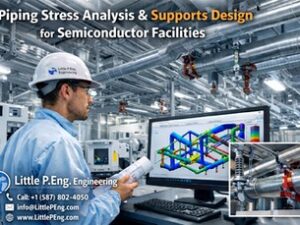
Industrial facilities depend on accurate engineering systems to maintain safety, efficiency, and long term operational stability. From processing plants to energy production sites, every industrial environment requires carefully planned mechanical structures that can withstand pressure, temperature changes, and continuous production demands. Engineering consultancies play a major role in ensuring that industrial systems meet performance expectations without compromising safety standards or regulatory compliance. This is why companies across manufacturing and energy sectors invest heavily in experienced technical specialists who understand system behavior under complex operating conditions.
One of the most important services in this field is provided by piping stress experts who analyze how industrial piping systems react under pressure, vibration, thermal expansion, and operational movement. Their assessments help industries avoid leaks, structural failures, shutdowns, and expensive maintenance issues. Companies such as Little P.Eng. Engineering specialize in these industrial solutions by supporting clients with engineering analysis, piping design, simulation services, and structural evaluations that improve system reliability across multiple industries.
Why Industrial Piping Systems Require Accurate Analysis
Industrial piping networks are far more complex than standard plumbing systems because they transport high pressure fluids, gases, chemicals, and steam through interconnected facilities. Even small design mistakes can create major operational risks that affect production output and worker safety. Engineers must consider temperature fluctuations, equipment movement, seismic conditions, and pressure loads during the design phase to ensure every component performs properly under real operating conditions. Proper analysis also extends the service life of industrial equipment and reduces unexpected downtime.
Engineering consultants evaluate every part of the piping structure including supports, joints, valves, bends, and connection points. Their work ensures that systems comply with international engineering codes commonly used in industries such as oil and gas, petrochemical processing, and power generation. Regional regulations can also influence project requirements because different countries enforce unique industrial safety standards. Professional engineering teams help companies satisfy these legal obligations while maintaining smooth project execution and reducing the risk of costly compliance violations during inspections or audits.
How Engineering Consultancies Improve Industrial Performance
Specialized engineering consultancies provide more than technical calculations because they also help industries optimize productivity and reduce operational inefficiencies. Through advanced simulation tools and structural analysis software, engineers can predict how industrial systems behave before construction begins. This process minimizes project errors and helps organizations save substantial costs during installation and maintenance stages. Accurate engineering support also improves communication between contractors, project managers, and operational teams working on large industrial developments.
Another important advantage involves long term operational planning. Experienced consultants study how systems respond to real environmental conditions such as extreme heat, continuous vibration, and changing production loads. Their recommendations often improve energy efficiency and equipment durability while supporting sustainable industrial operations. Many facilities now rely on engineering consultants to modernize aging infrastructure and integrate updated technologies without interrupting ongoing production activities. These improvements allow companies to remain competitive while maintaining strict safety and operational standards.
The Importance of Compliance and Safety Standards
Safety remains one of the highest priorities in industrial engineering because system failures can lead to environmental damage, production shutdowns, financial losses, and worker injuries. International engineering codes provide detailed guidelines that help organizations design and maintain safer systems for industrial operations. Compliance with these standards is essential for industries handling hazardous materials or operating under extreme conditions. Engineering consultants carefully review each design to confirm that every component satisfies regulatory and operational requirements before implementation begins.
Companies working with piping stress experts gain valuable insights into how pressure, movement, and thermal expansion affect industrial systems over time. These evaluations help businesses avoid structural weaknesses that could become serious hazards in the future. In regions where industrial regulations are strict, engineering assessments may also be legally required before facilities receive operational approval. Professional consultants help organizations navigate these requirements efficiently while improving project quality, reliability, and workplace safety standards throughout the entire development process.
How Simulation Technology Supports Better Decisions
Modern engineering projects increasingly depend on simulation technology because it allows professionals to evaluate system performance in virtual environments before physical installation begins. These digital simulations help identify weaknesses that might otherwise remain unnoticed during traditional design reviews. Engineers can study stress distribution, equipment interaction, vibration effects, and temperature behavior with remarkable accuracy. This proactive approach reduces design revisions and minimizes the possibility of unexpected failures after project completion.
Engineering firms such as Little P.Eng. Engineering use advanced simulation methods to help industrial clients make informed technical decisions during both new construction and system upgrades. Their expertise allows companies to understand how operational changes may affect existing infrastructure without interrupting production processes. Simulation services also improve communication between engineering teams and project stakeholders because technical challenges can be visualized and resolved earlier in the project lifecycle. This ultimately leads to safer, faster, and more cost effective industrial development outcomes.
Choosing the Right Engineering Consultancy
Selecting the right engineering consultancy requires careful evaluation because industrial projects often involve significant investments and long term operational responsibilities. Companies should look for consultants with proven industry experience, strong technical capabilities, and knowledge of international engineering standards. A qualified consultancy should also understand the specific operational challenges faced by industries such as manufacturing, petrochemical processing, power generation, and energy production. Industry expertise often determines how effectively engineering solutions can be adapted to unique project conditions.
Businesses searching for reliable technical support often prefer working with piping stress experts because experienced specialists provide detailed analysis that improves both safety and operational efficiency. Before hiring an engineering consultancy, organizations should review previous project experience, engineering certifications, and communication practices. The best consultants usually provide transparent reporting, practical recommendations, and collaborative project support that helps clients achieve engineering objectives while remaining compliant with regional regulations and operational expectations.
Practical Approaches for Reducing System Failures
Industrial operators can significantly reduce system failures by implementing proactive engineering strategies during both design and maintenance stages. Early system evaluations help identify weak connection points, inadequate support structures, and thermal expansion issues before they become operational risks. Regular inspections combined with engineering reviews also improve long term reliability because small structural problems can be corrected before causing expensive shutdowns or safety incidents. Preventive planning remains one of the most effective ways to maintain stable industrial performance.
Companies can improve system reliability by focusing on several important engineering practices during project execution and facility operation.
- Conducting routine stress evaluations during maintenance cycles
- Monitoring vibration levels near rotating equipment
- Reviewing support structures after operational modifications
- Updating aging systems using modern engineering simulations
These practical measures help industries maintain safer operations while reducing repair expenses and production interruptions. Engineering specialists often recommend continuous monitoring strategies because industrial conditions change over time due to expansion projects, equipment upgrades, and evolving production demands.
The Growing Demand for Specialized Engineering Support
Global industrial growth continues to increase demand for specialized engineering services across multiple sectors including oil and gas, chemical processing, renewable energy, and manufacturing. As facilities become more advanced, engineering challenges also become more complex due to higher operational pressures, stricter regulations, and evolving safety expectations. Companies now require highly detailed engineering analysis to maintain operational reliability while meeting environmental and legal standards. This trend has made technical consultancy services increasingly valuable for industrial organizations worldwide.
Experienced piping stress experts are particularly important for projects involving high pressure systems, elevated temperatures, and critical infrastructure components. Their ability to analyze operational risks before construction begins helps companies reduce long term financial exposure and improve project success rates. Many organizations now integrate engineering analysis into every phase of development from conceptual planning to operational maintenance. This shift reflects the growing recognition that accurate engineering assessments directly influence productivity, safety performance, and long term infrastructure stability.
Long Term Value of Professional Engineering Analysis
Professional engineering analysis provides long term value because it helps industrial companies avoid repeated repairs, unplanned shutdowns, and operational inefficiencies. Accurate system evaluations improve equipment lifespan and support better decision making throughout the entire operational lifecycle of industrial facilities. Businesses that invest in professional engineering support often experience stronger system performance and lower maintenance costs over time. These benefits become especially important in industries where operational interruptions can create substantial financial losses and production delays.
Organizations working with Little P.Eng. Engineering often gain access to specialized technical knowledge that strengthens project planning and operational reliability. Their expertise in structural engineering, simulation services, and industrial system analysis helps businesses address complex engineering challenges more efficiently. Modern industrial facilities require precise technical solutions that balance productivity, compliance, and long term sustainability. Engineering consultancies play a central role in helping companies achieve these objectives while adapting to changing industrial requirements and technological advancements.
Conclusion
Industrial systems require careful planning, accurate analysis, and ongoing technical evaluation to remain safe and efficient in demanding operational environments. From piping design to simulation technology, professional engineering support helps organizations reduce risks while improving performance and compliance. Companies operating in industries such as oil and gas, manufacturing, and power generation benefit greatly from experienced consultants who understand how complex industrial systems behave under real operating conditions.
The role of piping stress experts continues to grow as industries face stricter safety standards, increasing operational complexity, and rising expectations for long term reliability. Businesses that invest in professional engineering services are better positioned to improve system durability, reduce maintenance costs, and achieve sustainable industrial growth. Working with experienced engineering consultancies allows organizations to develop safer and more efficient infrastructure that supports both operational success and future expansion goals.